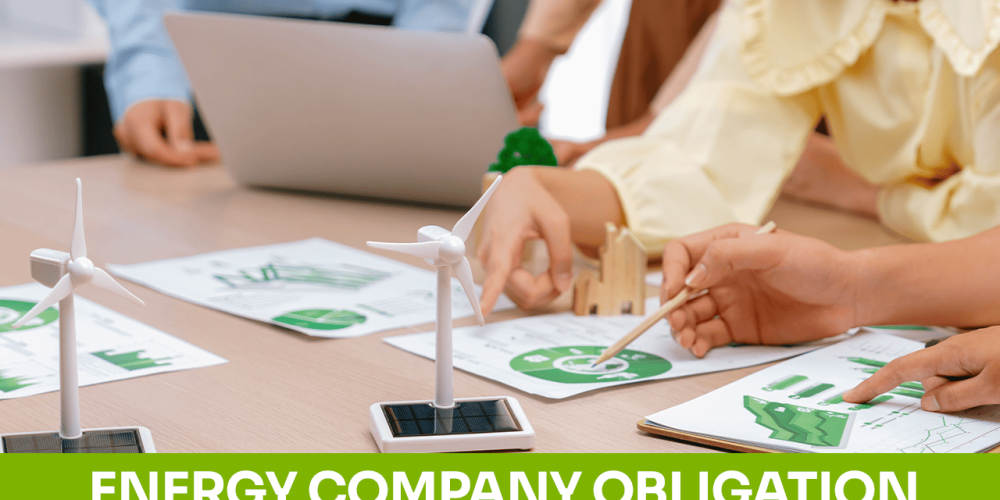
The Energy Company Obligation (ECO) Scheme is backed by the UK government, which aims to help residents lower their heating bills, cut carbon emissions, and use energy more efficiently.
The Energy Company Obligation obliges big energy companies to cover home improvements for low-income and less fortunate families. This means that homes that qualify can get free upgrades like new boilers, insulation, and smart heating controls.
Key Benefits of the ECO Scheme:
- Cut your energy bills by up to £600 a year.
- Get a free heating system under the government free boiler grant.
- Homes that are warmer and healthier for families in need
- Help the UK reach its net-zero goals by cutting down on carbon emissions.
Why Was the Energy Company Obligation (ECO) Scheme Introduced?
The ECO scheme was started in order to:
- Fight fuel poverty—heating costs are actually hard for millions of families to afford, especially those with low incomes, disabled people, and elderly individuals.
- Reduce carbon emissions—residential heating systems are responsible for a large part of the UK’s carbon emissions. ECO cuts down on waste by using better heating systems and insulation.
- Cold homes are linked to heart disease, respiratory illnesses, and worsened mental health.
- Meet your climate goals—The UK’s legally binding carbon reduction goals require the housing stock to become more efficient.
In short, homes will be warmer, bills will be lower, and the future will be greener.
ECO Scheme Timeline & Phases (ECO1, ECO2, ECO3, ECO4, ECO5)
The ECO scheme has undergone a number of stages:
ECO1 Scheme (2013–2015):
Initially it concentrated on reducing carbon emissions and helping people who can’t afford to heat their homes.
ECO2 Scheme (2015–2017):
The 2nd stage mainly focused on the same mission, but additional individuals could join.
ECO3 Scheme (2018–2022):
The ECO3 only supported low-income and less fortunate families in getting better heating systems.
ECO4 Scheme (2022–2026):
This is the current phase. More emphasis on upgrades to the whole house, stricter checks on income and benefits, and aims for improving EPC ratings.
ECO5 Scheme (Expected 2026 Onwards):
This is a future project that may continue the objectives but concentrate more on sustainable heating and net-zero heating.
ECO Scheme Eligibility Criteria
The ECO scheme, which at first started in 2013, was the first step towards the ECO4 scheme that exists now. Here are the main requirements for households that want to apply for ECO4:
- Income & Benefits Criteria
If you receive any of the following benefits, you may be able to qualify for these grants too:
- Universal Credit
- Pension Credit
- Income Support
- Employment & Support Allowance (ESA)
- Jobseeker’s Allowance (JSA)
- Child Tax Credit
- Working Tax Credit
B. Household & Property Criteria
You might be able to qualify for funding even if you don’t get benefits if
- Your property has an EPC rating of D, E, F, or G (we can check this for you).
- Your total household income is below £31,000 (before tax).
- You’re part of any of these groups:
- Elderly
- Disabled
- families with young children
- Your home currently uses expensive heating methods such as electric, LPG, oil, or solid fuel.
C. NHS Referral for Health Conditions
If living in a cold house makes your health worse, your doctor or the NHS Trust may tell you to get help from ECO4. This is applicable to the situation like
- Cardiovascular disease
- Respiratory issues (e.g., asthma, COPD)
- Limited mobility or chronic illness
- Immunosuppressed conditions
Criteria That Are No Longer Accepted
In the first three phases of ECO (ECO1–ECO3), some benefits naturally qualify households for grants. Under ECO4, these no longer apply directly:
- Disability Living Allowance (DLA)
- Personal Independence Payment (PIP)
- Attendance Allowance (AA)
- Carer’s Allowance
- War Pensioner’s Mobility Supplement
- Severe Disablement Allowance
- Child Benefit (with fewer rules than now)
Not sure if you are eligible?
Some homes assume they don’t meet the requirements, although they actually do. Our specialists will look into all of your options to get you the money you need if you apply today.
Check Your Eligibility Now
ECO4 Scheme Eligibility
“100% Free Check – No Hidden Fees”
How Does the ECO Scheme Work for Households?
The ECO scheme is quite simple for families to understand:
- The government set the rules, which determine who can apply and what upgrades are allowed.
- Energy companies are responsible for covering the cost of these heating upgrades.
- Ofgem is the government organisation that assures the suppliers meet their goals.
- Installers do the work; certified engineers install boilers, insulation, or heating systems.
- Households benefit: homes are warmer, bills are lower, and there are no upfront costs.
How ECO Grants Are Delivered
UK law ensures that only “obligated suppliers” (big energy companies) have to cover for ECO. Each supplier contributes for upgrades through installers that have been approved. CO2 Reduction works with certified installers all over the UK to connect eligible homes with the right scheme.
Role of Ofgem & Local Authorities
The government of the UK, big energy companies, energy regulators, and local councils all operate collectively on the Energy Company Obligation (ECO) scheme. Each organisation’s contribution is crucial to make sure the program works effectively and helps families in actual ways.
Ofgem
The Office of Gas and Electricity Markets (Ofgem) officially governs the ECO scheme. Their duty is to:
- Making sure that big energy companies meet their legal objectives for reducing carbon while supporting families.
- Ensuring that only certified installers do the work, and these upgrades must meet the UK’s quality standards.
- Making sure that families get real upgrades without additional expenses.
- Providing public information about how many homes are helped, what kinds of measures are put in place, and whether suppliers are meeting their goals.
Local Authorities – Support with LA Flex
Local authorities play a key role in closing this gap through the LA Flex (Local Authority Flexible Eligibility) system. LA Flex allows councils to:
- Give approval to applications from families that don’t get benefits but still have trouble paying their energy bills.
- Give priority to low-income families, elderly or disabled people who are most likely to be at risk due to cold homes.
- Collaborate with health and social care services to refer residents who have respiratory or heart problems that get worse because of poor heating.
- Make sure that eligibility requirements are based on regional requirements and the threat of fuel poverty.
What Upgrades Are Available Under ECO?
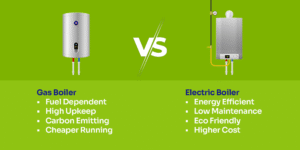
Boiler Replacement
- Free boiler replacement of old, inefficient boilers (usually 7 to 10 years old or older).
- New A-rated condensing boilers save hundreds of pounds each year.
Insulation (loft, wall, floor)
- Loft insulation
- Cavity wall insulation
- Solid wall insulation
- Underfloor insulation
Smart heating controls
- Thermostatic radiator valves (TRVs)
- Smart thermostats
- Heating timers
What the ECO Scheme Has Accomplished So Far
Since 2013 ECO has had significant impacts:
- More than 3.6 million improvements have been done in UK homes.
- Most of them include insulation for the loft, the walls, and the boiler.
- Thousands of homes that couldn’t afford fuel were benefited.
Why choose CO2 reduction?
CO2 reduction helps families to get government-funded free boiler grants with fewer hurdles. Our aim is to ensure that your new energy-efficient boiler is safe; nonetheless, we desire to be certain that your home gets reduced utility costs and lower carbon emissions for several years to come.
FAQs
Who is eligible for a free boiler through ECO?
Low-income households who get benefits, such as Universal Credit, Pension Credit, or ESA.
Are renters also eligible for ECO grants?
Yes, but only if the landlord confirms it’s accepted.
Can I still apply if I don’t get benefits?
Yes, councils can approve applications for families with low incomes or health problems through LA Flex.
Is the ECO Scheme just for boilers?
No, it includes smart controls, insulation, and other upgrades to the heating system.