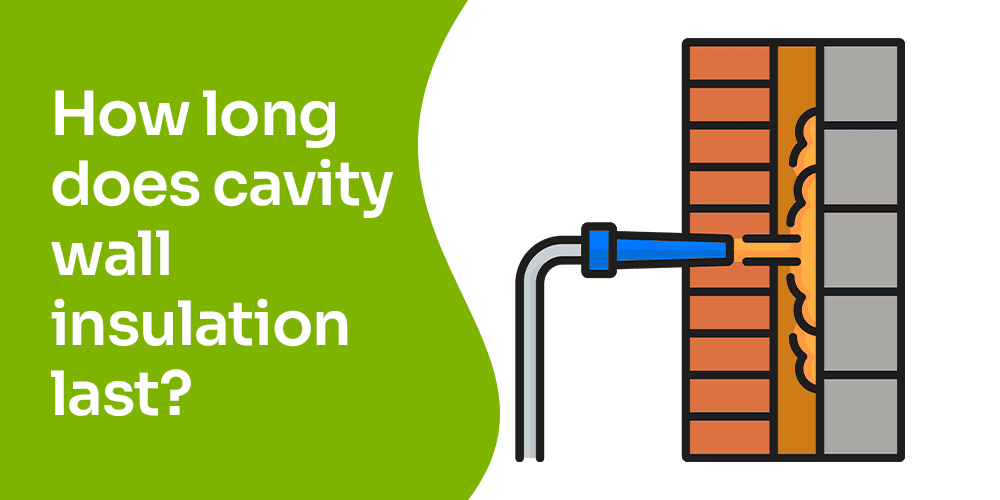
A person shouldn’t be required to spend more on heating to keep their home comfortable and warm. One of the best methods to keep heat in, cut down on energy waste, and lower household emissions is to insulate your cavity walls. However, just like any other home improvement, it doesn’t last forever. Understanding how long it will last will help you get the best long-term results.
This comprehensive guide will tell you how long cavity wall insulation lasts in UK houses, how to make it last longer, how the various materials contrast, and the best ways to keep it in good condition for decades of energy savings.
Why Homeowners Choose Cavity Wall Insulation
One of the most effective ways to minimise wasted energy in UK homes is to insulate the cavity walls. Not only does it make your home warmer, but it also helps you save money, lower your carbon footprint, and feel better in the future. Here are the primary explanations for why thousands of people in the UK invest in it every year.
Warmer, More Comfortable Home
Nothing provides you more comfort than a warm house during the winter season. Cavity wall insulation eliminates the presence of cold spots and draughts, which means rooms stay evenly warm in the winter and slightly cooler in the summer.
Since the temperature stays steady, you won’t need to change the thermostat as often, which means you’ll have more time to enjoy your cosy home.
Save on Energy Bills with Effective Insulation
Cavity wall insulation is able to assist in lowering your heating bills. It prevents heat from escaping through exterior walls, resulting in your boiler working less and keeps your home warmer for longer.
The majority of houses cut 20–35% on their energy bills, depending on how big the home is and the type of fuel it utilises.
ECO4 Scheme Eligibility
“100% Free Check – No Hidden Fees”
How Long Does Cavity Wall Insulation Last?
The majority of the time, cavity wall insulation lasts between 20 and 25 years. However, if the insulation is installed correctly and kept properly dry, it can last as long as the building itself.
A lot of the time, suppliers and installers offer 25-year warranties. But some newer insulation materials tend to last much longer than that.
Comparison of Common Insulation Types and Durability
| Insulation Type | Average Lifespan |
| Cavity Wall | 20 to 100 years |
| External Wall | 30 to 40 years |
| Loft Insulation | Around 40 to 50 years |
Types of Cavity Wall Insulation
Not every kind of cavity wall insulation is the same. Each type has its own pros and cons when it comes to cost, thermal efficiency, and lifespan. Understanding the different types will help you choose the one that’s most compatible with your home and your budget.
Mineral Wool Insulation
Mineral wool, which is often made from rock or glass fibres, is one of the most common materials used to insulate cavity walls in the UK. It is injected into the cavity as a loosely bound fibre and functions well for both soundproofing and keeping heat in.
Polyurethane
Polyurethane foam expands and fills in each and every corner of the cavity that keeps draughts and moisture out. It’s extremely strong and works well for homes that need the maximum insulation.
Fibreglass Insulation
Fibreglass insulation looks like mineral wool, but it is made of very fine glass fibres. When installed properly, it works very well at keeping heat in and pests and mould out.
Polystyrene Beads
Polystyrene beads (EPS) are small, light balls which are inserted into the wall cavity and attached together with a special glue. They make a layer which is tightly packed and keeps water out while also keeping heat in.
Natural Wool (Sheep Wool Insulation)
Sheep wool insulation is a green alternative since it is long-lasting, easily ventilated and efficient at keeping the humidity inside at a comfortable level.
Lifespan of Cavity Wall Insulation Materials
| Material Type | Avg Lifespan | Key Features |
| Mineral Wool | 30–50 years | Comparatively affordable and effective, but may absorb moisture over time. |
| Polystyrene Beads (EPS) | Up to 100 years | Long-lasting and highly resistant to dampness. |
| Extruded Polystyrene (XPS) | 50–80 years | Strong and moisture-resistant, suitable for harsh weather zones. |
| Polyurethane (Spray Foam) | 80–100 years | Excellent coverage and high durability. |
| Fibreglass | 80–100 years | Long lifespan, non-combustible, retains performance for decades. |
| Sheep Wool | Around 60 years | Natural, ventilated insulation with good heating properties. |
Factors that Control How Long Cavity Wall Insulation Will Last?
The environmental factors both inside and outside your home have a big impact on how effectively insulation will work and how long it will last.
Rainy Weather
Homes in areas that have a lot of rain or homes on the coast are more likely to get damaged by the weather. Rain generated from the wind can slowly break down your home’s outside cavity walls and affect the insulation in the cavity.
Type of material
Comparatively, some materials last longer than others. Materials like foam and polystyrene tend to tackle moisture issues more efficiently, while natural fibres like mineral wool can fall down faster.
Dampness and Moisture
The most significant danger to the effectiveness of insulation is water soaking in. If rainfall gets into the outer wall or the cavity fails to be sealed properly, the insulation can get wet, resulting in it being less effective and making mould grow.
Professional vs DIY Installation
Homeowners may be thinking about installing their cavity wall insulation themselves to save money, but it’s not recommended to do your own cavity wall insulation.
Professional installers use special tools and thermal imaging technology to make sure that the cavity is covered evenly. Before they begin the job, they thoroughly inspect for signs of dampness or structural issues that are already there. But if you attempt to do it yourself, it can cause air gaps or uneven filling and bridging in insulation, and you will have no warranty to repair or replace it.
How to Extend the Life of Your Insulation
Maintaining and taking good care of your insulation properly can make it last a lot longer:
- Take care of the exterior walls. Fix cracks and repoint brickwork immediately.
- Fix leaks instantly to keep moisture from getting into the cavity.
- Schedule an inspection every 10 to 15 years to ensure the insulation hasn’t consolidated or grown worse.
- To prevent condensation, ensure there is good airflow inside.
- Don’t paint too much with coatings that lack ventilation and trap moisture in walls.
Many homeowners in the UK find that their insulation lasts much longer than they thought it would by following these steps.
Does Cavity Wall Insulation Need Renewing?
Most cavity wall insulation does not require to be replaced often; it’s a long-term investment which doesn’t need a lot of care.
If your home has been damaged by water, flooding, or structural issues, however, it may be a good idea to have the insulation checked.
Signs That Your Cavity Wall Insulation Needs Replacing
Keep a careful eye to look for early signs that your insulation is not performing as well as it should:
- Water damage or mould which is not going away on inside walls.
- Even though the heat is working, there are still cold spots.
- Higher energy bills even though usage remained the same.
- Condensation forming near windows or in the corners of rooms.
- Cracks or broken bricks that let moisture in.
Conclusion
The government-funded programmes like the ECO4 scheme or the Great British Insulation Scheme can help cover partial or all of the installation costs, especially for homes that don’t use a lot of energy or are low-income.
Most installations under these plans come with a 25-year CIGA guarantee, which means that if something goes wrong, you can get it repaired or replaced for free.
At CO2 Reductions, we help households:
- Find out if they qualify for free cavity wall insulation grants.
- Choose the insulation materials that will work best over time.
We make it easy, cheap, and beneficial for the environment to upgrade your insulation. The following will help you save money on your energy bills and make your home warmer.
FAQs
Is it possible to replace old cavity wall insulation?
If your insulation is not completely dry or if it’s uneven, you can safely remove it and install new materials.
How can I know if my cavity wall insulation is not working?
Cold spots on walls, higher heating bills, damp patches, or mould growth inside your home are all signs that something is wrong.
Is there a warranty on cavity wall insulation?
Yes, most certified installations come with a 25-year CIGA warranty.
What makes insulation last longer?
The quality of the installation, the way moisture is regulated, the condition of the walls, how much climate exposure they get, and the type of insulation material used are all important.
Is it possible to get a government grant for cavity wall insulation in the UK?
Yes. Homeowners are able to get the ECO4 or the Great British Insulation Scheme. This is most useful for low-income families or homes that don’t use energy efficiently.