With the rise of energy bills, it has become harder to choose between electric boilers and gas boilers. This results in it being harder to find a boiler that is both cost- and energy-efficient.
One of the most important decisions that UK homeowners have to make is which boiler they should install. Boilers generate heat and hot water, both of which are essential to health and comfort.
The ECO4 scheme helps people heat their houses with less carbon, and gas boilers will likely be gone by 2035.
What Is an Electric Boiler?
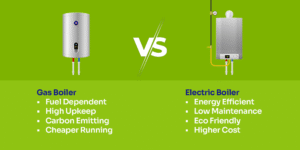
Electric boilers generate heat with electricity, which in turn warms up the water used in boilers, providing you with hot water in your home taps or underfloor heating. The system does not use any fuel, so it does not emit any carbon dioxide and operates at an almost perfect efficiency of about 99–100%. These boilers are small and quietly operating, which makes them great for apartments or homes that have limited access to the gas grid. They do not require a flue and do not need much maintenance, which makes installation simpler.
Another benefit is the way it works with renewable energy sources like solar panels. Homeowners can use the electricity solar panels generate to run the heating system, which lowers their annual cost. However, they can be expensive to run, as they use an excessive amount of electricity, especially when you don’t have access to cheaper or renewable electricity.
What Is a Gas Boiler?
A gas boiler heats water by burning natural gas or LPG and transporting it around within the home to heat it and supply hot water. These boilers have remained popular due to the fact they generate a lot of heat and cost less to operate than electricity. Modern condensing gas boilers are typically 92–94% efficient, and they also use leftover heat from exhaust gases to operate better. They function best in bigger homes or homes with more than one bathroom, which require hot water all day long.
In areas where there currently already exists a gas network, installation is straightforward and servicing is easy, considering most engineers are familiar with functioning gas systems. Gas boilers, on the contrary, release carbon into the air and may be phased out due to the UK’s 2035 gas boiler ban. This makes it important to plan for replacements in the long term.
Gas Boiler Phase-Out and Future Energy Savings
It is being said that gas boilers are being phased out for newly constructed buildings by 2025, and full restrictions are projected by 2035. This is because energy rules are changing in the United Kingdom. Choosing a boiler that works with future regulations and renewable energy could save you money on replacements in the future.
In short, choosing the right boiler can assist you in saving money, keeping your house more comfortable, and having less of an impact on the environment. The incorrect option can do the opposite: cost you more and make you feel more overwhelmed.
Importance of Choosing the Right Boiler
It might appear straightforward to choose an appropriate boiler at first, but it’s one of the most important choices you’re going to make for your home. The choice you make will affect more than just your heating. This can impact your comfort, your energy bills, and even your carbon footprint. If you make an incorrect choice, it might cost more, consume more energy, and cause more problems in the future.
Save on Energy Bills
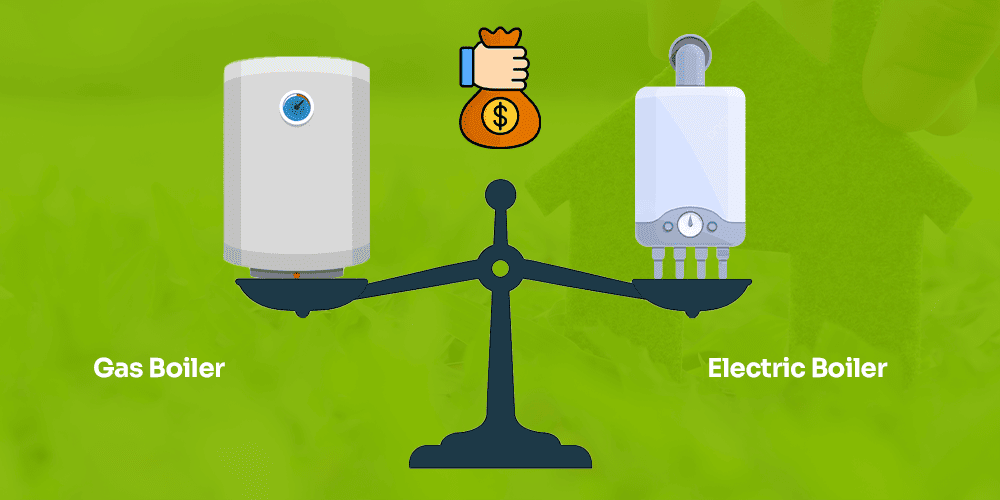
Electric boilers are exceptionally effective at turning electricity into heat; however, electricity in the UK costs a lot. This means an electric boiler might cost a lot more to run each month compared to a gas boiler, regardless of whether it’s technically more efficient. But natural gas boilers are more affordable and can make your monthly energy expenses lower than usual. This gap can add up to hundreds of pounds a year for families.
Environmental Factor
Your choice of boiler is essential if you are concerned about your carbon footprint. For those who prefer cleaner energy, electric boilers are excellent, as they avoid releasing carbon directly into your home. Gas boilers, on the other hand, burn natural gas and release carbon dioxide, which is harmful for the environment. Using solar panels or other renewable energy with an electric boiler can make your home significantly more beneficial to the environment.
Home Comfort
It’s not simply about covering expenses while you are deciding what boiler to choose but also about being comfortable. Gas boilers heat rapidly, so your rooms can stay warm even if you live in a big house. Electric boilers generally require longer to heat; however, they are comparatively quiet, which is an important benefit for apartments or flats. If you choose the wrong type, you might end up finding yourself with rooms that never get as warm as you desire, cold showers, insufficient heating or a noisy boiler.
Long-Term Costs
How much will it cost to keep your boiler running for the next 10 to 20 years? This is one of the most important questions that you should ask yourself if you are planning to get a new boiler. Gas boilers usually need to be regularly checked for safety reasons, while electric boilers do not require as much maintenance. If you do not think ahead, a cheaper boiler today can end up costing you more in the long term.
ECO4 Scheme Eligibility
“100% Free Check – No Hidden Fees”
Average Boiler Installation Costs
The installation of electric boilers typically costs less since they don’t need gas pipes or ventilation systems. However, some homes might require a new electrical system or fuse board, which will add an extra bit to the cost up front.
| Boiler Type | Typical Unit Price | Installation Cost | Total Average Cost |
| Electric Boiler | £900 – £4,500 | £800 – £1,500 | £1,700 – £6,000 |
| Gas Boiler | £570 – £6,100 | £1,000 – £2,000 | £1,600 – £8,000 |
Average Running Costs
Gas boilers continue to be cheaper to operate currently because electricity prices are about three to four times the amount per kWh. But households that use solar panels can make up for some of this difference.
| Feature | Electric Boiler | Gas Boiler |
| Efficiency at Point of Use | 99–100% | 90–94% |
| Carbon Emissions (kg CO₂ per year) | 0 (if powered by renewable electricity) OR 1,500 (grid electricity) | 2,500–3,000 |
| Fuel Storage Required | None | Not for mains gas, but LPG tanks for off-grid |
| Maintenance Frequency | Minimal | Annual Gas Safety Check |
| Noise Level | Very quiet | Low–moderate |
| Expected Lifespan | 15–20 years | 10–15 years |
Efficiency and Environmental Comparison
Electric boilers are more beneficial for the environment and last more years than gas boilers, whereas gas boilers are still cheaper to run. Electric boilers will undoubtedly become the most common type of boiler in the UK if the grid is completely switched to renewable sources. This is because they lack any direct emissions and do not require much maintenance.
| Feature | Electric Boiler | Gas Boiler |
| Efficiency at Point of Use | 99–100% | 90–94% |
| Carbon Emissions (kg CO₂ per year) | 0 (if powered by renewable electricity) – 1,500 (grid electricity) | 2,500–3,000 |
| Fuel Storage Required | None | Not for mains gas, but LPG tanks for off-grid |
| Maintenance Frequency | Minimal | Annual Gas Safety Check |
| Noise Level | Very quiet | Low–moderate |
| Expected Lifespan | 15–20 years | 10–15 years |
Cost Comparison by Property Size
As the number of people in a household and the demand for hot water increase, an increase in annual operating costs rises as well. Electric boilers are best for homes with low demand; however, gas boilers remain the most cost-effective choice in larger homes.
| Home Type | Electric Boiler (Annual Cost) | Gas Boiler (Annual Cost) | Recommendation |
| Small flat (1–2 occupants) | £850 – £1,000 | £450 – £600 | Electric boilers suit smaller, low-demand homes. |
| Medium house (3–4 occupants) | £1,400 – £1,800 | £700 – £950 | Gas boilers remain cost-effective. |
| Large property (5+ occupants) | £2,000 – £2,500 | £1,000 – £1,300 | A gas boiler or hybrid system is recommended. |
FAQs
Which boiler costs less to install?
Electric boilers are usually cheaper to install because they don’t need chimneys or gas pipes.
Do electric boilers work better?
Yes, electric boilers transform almost all of the energy that they receive into useful heat, while gas boilers only transform about 92–94% of the energy they get into usable heat.
What makes gas boilers less expensive to run?
Electricity is much more expensive than gas currently, which makes gas boilers cheaper to run, especially in homes with a lot of demand.
Can you use solar panels with electric boilers?
Yes, installing solar panels and a battery storage system with your electric boiler can save you a lot of pounds on running costs.
Will gas boilers actually not be allowed after 2035?
The UK government intends to stop most new gas boiler installations by 2035 in order to cut down on carbon emissions. Starting in 2025, new buildings are primarily powered by low-carbon heating systems like heat pumps or electric systems. But they won’t be getting banned.
Which boiler is better for the environment?
Electric boilers do not emit carbon dioxide, which makes them the better option, especially if they run on renewable energy.