
This is more important than ever to understand your home’s EPC rating as energy prices continue to go higher and the government has imposed further stricter regulations. The Energy Performance Certificate (EPC) reveals to you exactly how much energy your home consumes. The EPC rating not only lowers your energy bills, but it also makes your home more appealing to the market. Having a good EPC means that you are following the law and helps you reduce your carbon footprint.
What is an EPC rating?
An Energy Performance Certificate (EPC) rating is a legal certificate that shows the energy efficiency of a property. It shows the energy efficiency rating from A to G, where A is said to be the most energy-efficient and G has the least energy efficiency.
The certificate provides information about how much energy your property consumes, how much it is costing you, and how you can make it more energy efficient. Across the United Kingdom, Energy Performance Certificates are needed when a property is being constructed, marketed, or rented out.
Benefits of Improving EPC Rating
There are many benefits to raising your EPC rating that go beyond just following the law. Energy-efficient homes use less fuel, which means lower electricity and heating bills. This can save a lot of money over time. Properties with higher ratings emit less carbon dioxide, which helps the UK reach its climate goals and supports a greener future. A higher EPC rating also makes the property worth more on the market because people who want to buy or rent a home are more likely to want one that uses less energy.
Maintaining a high EPC rating ensures that you are following the standards set by the government, so you won’t be getting unexpected fines. Properties with higher EPC ratings may also be able to get energy efficiency grants, which can help cover you with the improvements like insulation, heating, or renewable energy systems. Ultimately, improving your EPC rating can save you money, help the environment, and make your property more appealing to the buyers.
ECO4 Scheme Eligibility
“100% Free Check – No Hidden Fees”
Why EPC Ratings Matter
There are a few explanations why the energy performance certificate rating is important. A higher EPC rating means lower energy bills for both homeowners and private renters, considering homes that are energy-efficient use less fuel to heat and power. It also is important for the environment because homes with higher ratings emit less carbon, which helps the UK achieve its eco-friendly goals. It is a known fact that the properties that have higher EPC ratings are more attractive to both buyers and renters, resulting in increasing the value of the home when it is sold or rented.
Ways to Improve Your EPC Rating
Homeowners can take a variety of helpful measures to improve their EPC rating. Arguably the most effective way to reduce heat from escaping through the ceiling is to insulate the loft. This can significantly improve your energy efficiency. Cavity or solid wall insulation is extremely helpful for homes to consume less energy and also maintain warmer temperatures in the winter and cooler temperatures in the summer.
Changing your home’s single-glazed windows with double- or triple-glazed ones can be highly helpful for keeping heat inside your home more effectively.
Common Mistakes That Influence EPC Rating
Sometimes it’s the homeowners who make wrong choices that in return lower their EPC rating while they don’t even notice it. One of the most common mistakes they make is neglecting to take care of their basic insulation. Having a poorly insulated loft or cavity walls, or even having walls that are not insulated, and cracks around doors or windows enable heat to escape rapidly, causing your heating system to work more aggressively.
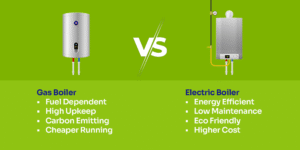
Another common mistake is having an old boiler or electric heater, which makes your home considerably less energy efficient. Your energy rating also decreases if your windows are single-glazed or damaged because they lose heat faster than double- or triple-glazed ones.
Your energy ratings can be affected by even small things, like using typical halogen light bulbs instead of LEDs. Some homeowners also reduce their EPC rating with renewable energy alternatives like solar panels or smart heating controls, which can have an enormous effect. Moreover, individuals don’t realise how much clogged radiators or improperly servicing your boiler can hurt efficiency. Taking care of these problems can prevent your rating from dropping down for no valid reason.
How to Check Your EPC Rating
It’s simple to check your EPC rating online in just a few steps. You can look up your home on the official government EPC register by entering your postcode if your property currently has a valid EPC. This government site will provide you with your current score, let you know when the certificate will expire, and tell you how to get higher scores. This is especially helpful if you want to sell or rent your property, as this might help you earn more to improve your home and make it more energy-efficient.
If your property is not on the list, it means you either have not received an EPC or the one you had before has expired. In that case, you’ll need to hire a certified Domestic Energy Assessor (DEA) to visit your home, do a quick inspection, and give you a new certificate. Depending on the size of the property, the process generally requires 30 to 45 minutes. Being aware of your EPC rating can help you understand whether your home uses energy efficiently and what you can do to make it better.
What Documents Will You Need?
It’s easier to get your EPC check if you have a few documents prepared. Assessment officers can do most tests without homeowner documents; however, having these documents available lets them provide you a more accurate rating. If you’ve replaced your boiler, heating system, or windows, you should keep paperwork that shows when they were installed or how efficient they are, as this will also help your EPC rating.
FAQs
How much does an EPC cost?
Prices can vary from area to area, but most EPC tests cost between £40 and £90 for standard homes. Large properties may cost a bit more.
Can improving my EPC rating increase my property value?
Yes. Properties with better energy efficiency ratings tend to attract buyers and tenants far more quickly. A better EPC can also make you eligible for certain grants and government schemes.
What EPC rating do I need to rent my house?
Most of the time, rental properties must have an EPC rating of E or more. Before they can be rented out, properties with an F or G rating require energy improvements.