CO2 Reduction delivers sustainable heating for a cozier, greener, and more efficient home.

As energy prices in the UK keep going up, more and more individuals are having trouble keeping their houses cool in the summer and warm in the winter. With the right government loft insulation scheme, you can save a lot of money on your energy bills and make your home more comfortable. You can enjoy free grants for loft insulation if you qualify under the Great British Insulation Scheme or the ECO4 Scheme.
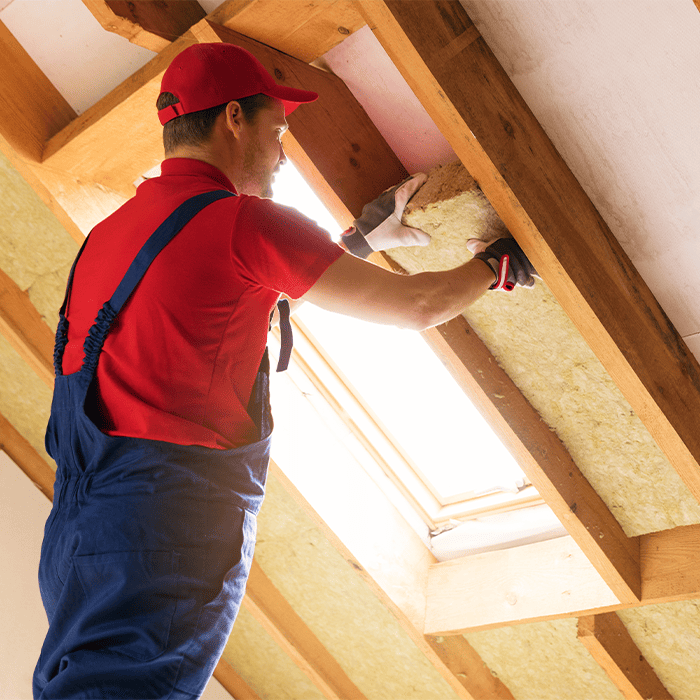
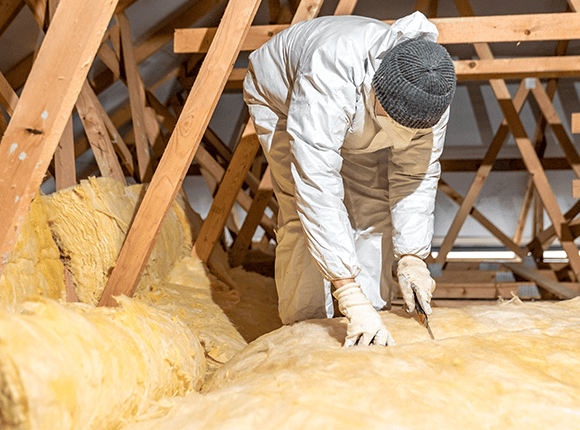
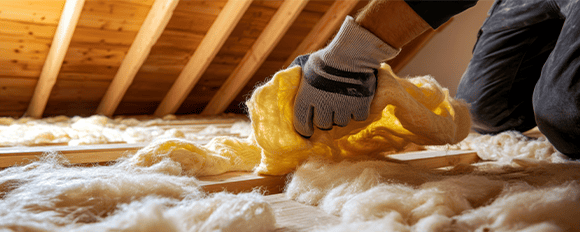
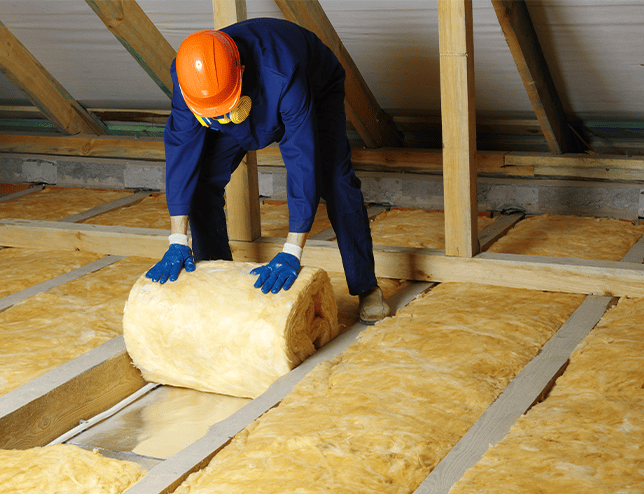
The loft insulation is a layer of different material installed in your roof space, which will act like a blanket for your home. It slows down heat escaping through the roof, keeping your house warmer in winter and cool in summer; this results in reduced energy bills.
If you meet some of the points below, you could qualify for grants for loft insulation.
If you receive any of the following benefits, you may be able to qualify for these grants too:
You might be able to qualify for funding even if you don’t get benefits if
If living in a cold house makes your health worse, your doctor or the NHS Trust may tell you to get help from ECO4. This is applicable to the situation like
Some homes assume they don’t meet the requirements, although they actually do.Our specialists will look into all of your options to get you the money you need if you apply today.
In the UK, there are multiple types of insulation for lofts. Each type has its own pros and cons, building procedures, and expenses. Before starting the insulation process, you should consider how your loft is built, how much money you have, and whether you intend to live there or just store items; all these factors will affect what option is ideal for you.
Rock wool or glass is used to form the loft rolls & batts; it is considered the most common and affordable version. It crosses within and across the wooden frames with stretchy rolls or pre-cut batts.
It can resist fire and do an excellent job of preventing noise and heat.
Although its fibres can also irritate the skin and lungs while being assembled, and they fail to function well when they get wet or damaged.
They are the most eco-friendly option, in which you may choose materials that are more beneficial for the environment, such as wood fibre, hemp, or sheep’s wool.
They naturally absorb moisture effectively, are safe, and are comfortable to carry without distracting you.
The primary issue with natural fibre insulation is that it costs more and usually needs to be installed more thoroughly than synthetic materials to provide the same degree of insulation.
This particular variety is compressed or deposited in the loft and has mineral wool granules or cellulose (recycled paper) in it. It works well to cover regions that are hard to access and areas that are not flat.
You can also use it to add an additional layer to insulation that is already present.
An important point to consider is that it needs to remain dry in order to work, and it may settle over time, which could make certain areas cold.
These are high-performance panels, which are usually made of PIR foam, fitted in places where room is limited.
Since they are thick, they are most effective at keeping heat inside.
They tend to be more expensive and need to be installed by professionals to make sure there is enough air movement and no condensation issues.
This is created by spraying a liquid polyurethane mixture that expands into a solid foam. It forms a seamless layer on the surface it is applied to.
Spray foam is an effective way to prevent air leakage, and it can expand to fit into tiny spaces.
A qualified professional is required to do it because if it is not done correctly, water could become stuck in the roof frame and cause wood to decay.
The type of insulation your property needs depends on whether it has a “cold loft” or a “hot loft”. The main purpose of a cold loft, which is an empty, unheated space above the ceiling, is to keep heat from escaping from the rooms below through the roof. A “hot loft” is when the loft area is turned into living space, such as when the upper floor is transformed into a living space. The top layer of insulation needs to be insulated so that the new space remains warm.
If you live in an ordinary house and only use the loft for storage, the best thing to do is to insulate the ground level of the loft. This is done by layering loose-fill or rolls of insulation between and on top of the wood framework. This strategy saves a lot of money because it makes a barrier that preserves heat in the living areas below.
You need to install a hot loft if you have a “room on the rooftop” or a loft extension. This means that strong insulation panels often need to be placed between the sloping rafters of the roof. This approach is more complex and involves careful attention to air sealing and ventilation to fulfil construction requirements and keep water from building up.
If your loft lacks a lot of space, using thinner, high-performance materials like sturdy boards or specialist multilayered systems will help you make the most of it. When older homes don’t have enough insulation, residents often install a thick layer of insulation on top of it. However, first, you should check to see if it’s damp and make sure there’s enough airflow.
CO₂ reduction help families to get government-funded free boiler grants with fewer hurdles. Our aim is to ensure that your new energy-efficient boiler is safe; nonetheless, we desire to be certain that your home gets reduced utility costs and lower carbon emissions for several years to come. When you choose us, you get a reliable partner who will help you save as much money as possible while also helping the UK move towards a greener, more sustainable future.
a material that is put in the roof or loft to keep heat inside and make it consume less energy.
Using materials that cannot transmit heat well or trapping air tends to slow down the flow of heat from inside to outside.
People who pay less in council tax, receive benefits, or have an EPC rating of D or G are eligible. Private renters are also eligible if their owners grant them permission.
You can seek support from the government or programmes like the Great British Insulation Scheme by applying through CO Reduction.
There are many kinds of insulation, such as rolls and batts for lofts, stiff boards, natural fibre, spray foam, foil systems, and free-fill or blown insulation.
Most of the time, they last for decades. However, some materials break down when they become moist, and loose fill may settle.
Yes, this is a process that is best to be done by a professional. Such as CO2 reduction.
The amount you save depends on things like the quality of insulation, the cost of electricity, and the size of your home. However, heating bills can go down by hundreds of pounds a year.
It may need repairs, upgrades, or replacements when standards change or materials wear out, even though it lasts a long period.
Insulation alone won't get rid of a lot of damp unless roof leaks or other ways for moisture are also used. But it can help in an indirect way if it's used with other things like proper ventilation, etc.
The current standard for the ceiling is approximately 270 mm.
Yes, as long as the property fits the conditions (EPC, income, etc.) and the landlord approves.
If your insulation is too thin (for example, less than 270 mm), you can seek a top-up grant.
It keeps heat in and keeps moisture out very effectively; it has a high R-value per inch, but it costs more.
It's ideal to make lofts that aren't entirely level, but it needs to be put in correctly so it doesn't settle or cause draughts.
Most of the time, you do need to change it, either under or between the rafters. Building regulations indicate this must be done, and it makes sure that hot lofts have enough insulation.
You might be able to carry out small tasks like rolling between frames, but for major construction and making sure you meet building rules, it's essential to employ a professional installation.
Yes, particularly throughout time. Homes that lack enough insulation are likely to save the most money.
Yes, installing or upgrading insulation in the loft will often improve a home's Energy Performance Certificate grade.
The materials may generate noise when they are being installed, but soundproofing helps keep noise from getting inside from outside.
In reality, it cuts down on a lot of heat loss through the roof and ceiling.
In reality, it cuts down on a lot of heat loss through the roof and ceiling.

CO2 Reduction delivers sustainable heating for a cozier, greener, and more efficient home.
Quick Links